



Biodiversity Heritage Site
Ameenpur lake
It is an urban wetland providing refuge to 8 mammalian species, 170 avifauna (migratory and resident), 46 herpeto-fauna, 9 varieties of fish, 143 invertebrates and 250 species of rare and common plants.
High Altitude Meadow @ HUDAN BHATORI
Cotoneaster species, Lonicera species, Sorbus species, Brachypodium sylvaticum, Bromusasper, Fesruca species, Poa species, Primula denticulata, Picrorhiza kurroa, Anemone species. Iris species, Artemisia species. Lonicera spocies, Bunium persicum, Jurinea macrocephala etc. Important Horal species recorded in the area: Picrorhiza kurroa, Dactylorhiza haragirea, Aconitum heterophyllum, Podophyllum hexandrum and Saussurea costus (cultivated). Major faunal species, in the region: Snow Leopard, Brown Bear, Black Bear, Tibetan Wolf, Himalayan Marmot, Ibex and Royle's Pika.
Haldir Char Island
The land is a mangrove swamp with tidal influence and sustains littoral fauna. The peripheral part, the land water interface, is populated with Saccharum spontaneum, Phragmites karka, Vetiveria zizanioides, effective in controlling erosion. The char land inside is populated with Avicennia marina, A. officianalis, Sonneratia apetala, , Bruguiera gymnorhiza, Aegiceras corniculatum, Excoecaria agallocha and mangrove associates lke Derris scandens Thespesia populnea, Cryptocoryne ciliata, Acanthus ilicifolius, Clerodendron inerme, Dolichos sp. etc, It also has remarkable avifauna including Microcarbo niger, Phalacrocorax fuscicollis, Egretta sp, Nycticorax nycticorax, Ardeola grayii besides the other vertebrates like Varanus bengalensis and Herpestes sp.
Majuli
Majuli River Island in River Brahmaputra is the largest river island in India. The fertile floodplains and highly productive wetlands support a wide variety of resident and migratory birds. More than 250 species of birds have been recorded. These include the two globally endangered species of vultures (Oriental White-backed Vulture and Slender Billed Vulture), two endangered species (Greater Adjutant and Bengal Florican) and 9 vulnerable species (Spot-billed Pelican, Lesser Adjutant, Baer's Pochard, Pallas's Fish-Eagle, Greater Spotted Eagle, Swamp Francolin, Marsh Babbler, Jerdon's Babbler and Black-breasted Parrotbill). Majuli has been categorized as an Important Bird Area (IBA).
It is eminent for its rich ecological and cultural heritage. It is also famous for producing 100 varieties of paddy without application of fertilisers and pesticides.
Birch-pine Forest Patch @ Nain Gahar
Main trees are Himalayan Birch (Betula utilis) and Blue Pine (Pinus wallichiiana). A few middle aged trees of West Himalayan Spruce (Picea smithiana), Deodar (Cedrus deodara) and Juniper (Juniperus species) are interspersed in the proposed patch. Besides. Willow (Salix species) and Sea Buckthorn (Jlippophae salicifolia) are also present in the site. The proposed site also includes a very good patch of grassy area, which supports a very good population of important medicinal and aromatic plants like Picrorhzza kurroa. Dactylorhiza hacagirea, Aconitum heterophyllum, Podophyllum hexandrum, Aconitum violaceum, Bunium persicum, Hippophae rhamnoides etc.
Birampur-Baguran Jalpai
Intertidal coastal stretch of nearly 7.3 km provides the habitat of Ocypod macrocera, Dotilla myctiroides, Uca lactea, Varanus sp, Herpestes sp, Canis aureus, Felis chaus and many other varieties.
Ghariyal Rehabilitation Centre
It is a centre established for conservation and rehabilitation of critically endangered species of Gharial.
Baramura waterfall
The highest natural waterfall in Tripura. Critical habitat for rare wildlife. Rich in floristic diversity. Habitat for many stream water favored fauna
Tungkyong Dho
Tungkyong Dho (Lake) is believed to be one of the oldest natural dho (lake) directly related to the Hee-Youngmingmoo clan of Lepcha community in Dzongu. Dzongu valley is a specially protected area for aboriginal/ indigenous primitive tribes considered to be the original inhabitant of Sikkim called as Lepchas and a very unique cultural and historical significance. The Lepchas, as in other communities have their own share of clan or caste and are nature worshipper and custodians since time immemorial. The Lepchas sanctify this sacred lake yearly through ‘MUN PUDIM’ and through lama also.
The area harbours considerable number of plant species including Acer oblongum, Albizia sp, Alnus nepalensis, Bischofia javanica, Castanopsis tribuloides, Cryptomeria japonica, Duabanga grandiflora, Juglans regia, Macaranga pustulata, and Schima wallichii. Some of the mammals found in the area are Asia black bear, rhesus monkey, porcupine, palm civet, flying squirrel, barking deer, goral, squirrel, yellow-throated marten, jackal, jungle cat, otter, wild-boar, pangolin, etc.
It also harbour numerous bird species like like black bulbul, black drongo, great barbet, grey treepie, chestnut crowned laughing thrush, common kestrel, blue whistling thrush, serpent eagle, long-tailored minivet, oriental magpie, oriental turtle dove, white crested laughing thrush, etc.
Chilkigarh Kanak Durga
Chilkigarh Kanak Durga Sacred Grove is a remnant forest with traditional beliefs and taboos of local inhabitants and rich in biodiversity covering an area of 55.9 acres in Jhargram District of West Bengal.
Unakoti
Cultural and religious significance, Example of Ethno-religious aspects, Sacred trees and stones,Rich forest flora and fauna, Source of natural stream flow has diverse ecosystem services, Site of semi wild, wild and domesticated ornamental plants.
Gandhamardan Hill
Treasure trove of medicinal plants comprising 1055 floral species including 849 angiosperms, 56 pteridophytes, 40 bryophytes, 45 lichens , 2 angiosperms and 63 macrofungi. The Faunal diversity of 500 species includes 43 mammals, 161 birds, 16 amphibians, 118 butterflies, 27 dragonflies7 damselflies and 83 spiders Two endemic species, a plant , Ficus conccina var. dasycarpa and a spider, Peucetia harishankarensis are endemic to this hill. Two historical monuments , Nrusinghhanath and Harishankar temples located in the Northern and Southern slopes respectively in the foothills have immense cultural significance. These are two major pilgrimage sites of Odisha . Moreover, famous traveller, Hiusen Tsang described this hill shrine as a Buddhist Heritage Site, "Parimalagiri". The site has its socio-economic, ecological and biological significance and long history of human association
Khlaw Kur Syiem KmieIng
It is a mosaic of natural habitats along with significant diversity of life forms. It is also an old Sacred Grove with monoliths and religious spots.
Silachari Caves
Only natural cave of Tripura. Unique habitat for several threatened cave bat species in Tripura. Rich floristic diversity. Ethno-religious and cultural significance. Critical habitat for rare wildlife. Stream rich in aquatic fauna. Multi- ecosystem services.
Gupteswar Forest
The divine, “Gupteswar Forest” situated in the southernmost region of Odisha and a part of Eastern Ghats, is a great assemblage of significant species of flora and fauna. This sacred place always drags the attention of naturalists, environmentalists, researchers, and tourists for its rich biodiversity and the gigantic Shiva Linga which has rich mythological significance and mesmerizing beauty of the surrounding domain. The 350 hectares of demarcated area that intersects Gupteswar PRF and Dondrakhol RF comprises at least 608 faunal species and 615 floral species. Faunal richness includes 28 species of mammals, .188 species of birds, 18 species of amphibia, 48 species of reptiles, 45 species of Pisces, 141 species of butterflies, 43 species oI moths, 41 species of odonates, 30 species of spiders, six species of scorpion and 20 species of lower invertebrates. Gupteswar is also bestowed with sub terrain vegetation with a rich diversity of threatened and medicinal plants which include, 182 species of tree, 76 species of shrubs, 177 species of herbs, 69 species of climbers, and 14 species of orchids. other than that, 17 species of ferns, 20 species of bryophytes, 15 species of lichens, 44 species of macro fungi and one species of gymnosperm have also been documented in this area.
WALMI Hills BHS
WALMI Campus
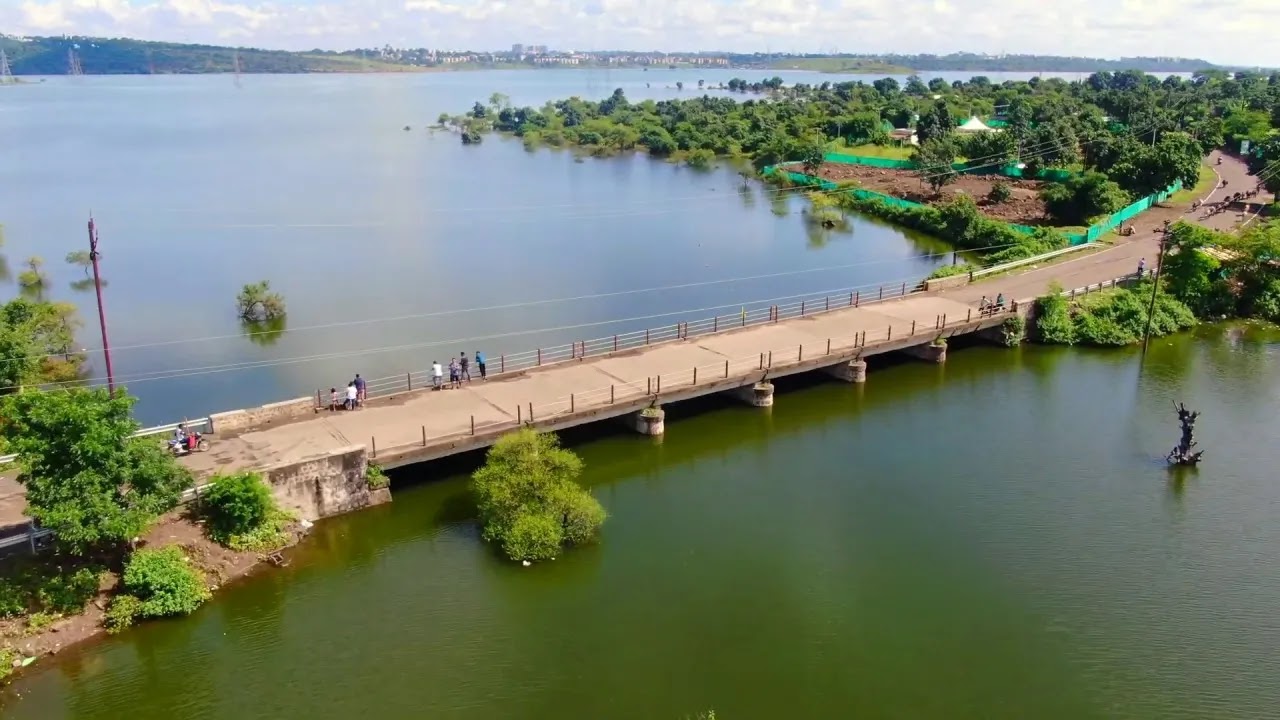
WALMI campus is rich in Forest, Agricultural, Horticultural and Aquatic Biodiversity significant from ecological point of view and there are 151 faunal species which includes 29 reptiles, 07 Amphibians, 14 Squamata, 13 Mammals 71 Avifauna and 15 Butterfly species. Also, there are 173 plant species which comprises 53 medicinal and 08 rare plant species.
It is situated on the bank of Kaliyasot Dam which is important from ecological point of view and need to be conserved.
Ken Nala, Gulra, Bhinga Reserve Forest BHS

Photo
Ken nala area is located in Bhinga Reserved Forest of Shravasti Forest division adjoining to the Gulra Village. Generally, mangroves are found in saline water but unique freshwater mangrove areas are spread on and around the banks of Ken Nala in the Bhinga Reserve Forest. Fresh Water Mangrove Safari is developed in this area as ecotourism spot which is flush with freshwater mangrove tree known as ‘Barringtonia acutangula’ locally called as ‘Injad’.
Besides, this area supports rich floral diversity comprising a wide variety of trees, shrubs, herbs and grasses, which contribute to the stability and functioning of the ecosystem. Equally rich in faunal diversity like Monkey, Hanuman langur, Jackal, Leopard, Chital, Common mongoose, Small Indian mongoose. Various snakes like- cobra, python, common Krait, Rat snake, Water Snake. Diverse fish fauna, viz, Chilwa, Katla, Mirla, Mangur, Rohu & Girai are found in this Heritage Site. Ken nala is also paradise for avifauna such as Kingfishers, flycatchers, Drongos, Wood peckers, Vultures, Owls etc. as well as aquatic birds such as Heron, egrets etc.,








Website Content Managed by National Biodiversity Authority, Goverment of India